
Have you ever dreamed of hitting the open road with all the comforts of home right behind you? Maybe you picture winding through mountain passes, parking by a sunlit lake, or making lifelong memories at a cozy campground. If so, you’re not alone! More and more people are discovering the freedom and adventure of traveling in a motorhome. But if you’re just getting started, the world of RVs can seem a little overwhelming. With so many shapes, sizes, and features, how do you pick the right one? That’s where this easy-to-follow guide comes in. We’ll walk you through the three main classes of motorhomes—Class A, Class B, and Class C—so you can choose your perfect home on wheels with confidence.
Welcome to the World of Motorhomes
Let’s kick things off with the basics. A motorhome, or RV (recreational vehicle), is a vehicle that combines transportation and living space in one package. Unlike a travel trailer or fifth-wheel, which you tow behind a truck, a motorhome is self-propelled. That means you can hop in, turn the key, and start your adventure right away.
But not all motorhomes are the same. The RV world divides motorhomes into three main classes: A, B, and C. Each class has its own unique features, strengths, and quirks. Understanding these differences is the first step in finding the right fit for your travel style, budget, and dreams.
The Big Picture: What Are the Motorhome Classes?
Here’s a quick overview before we dive deeper:
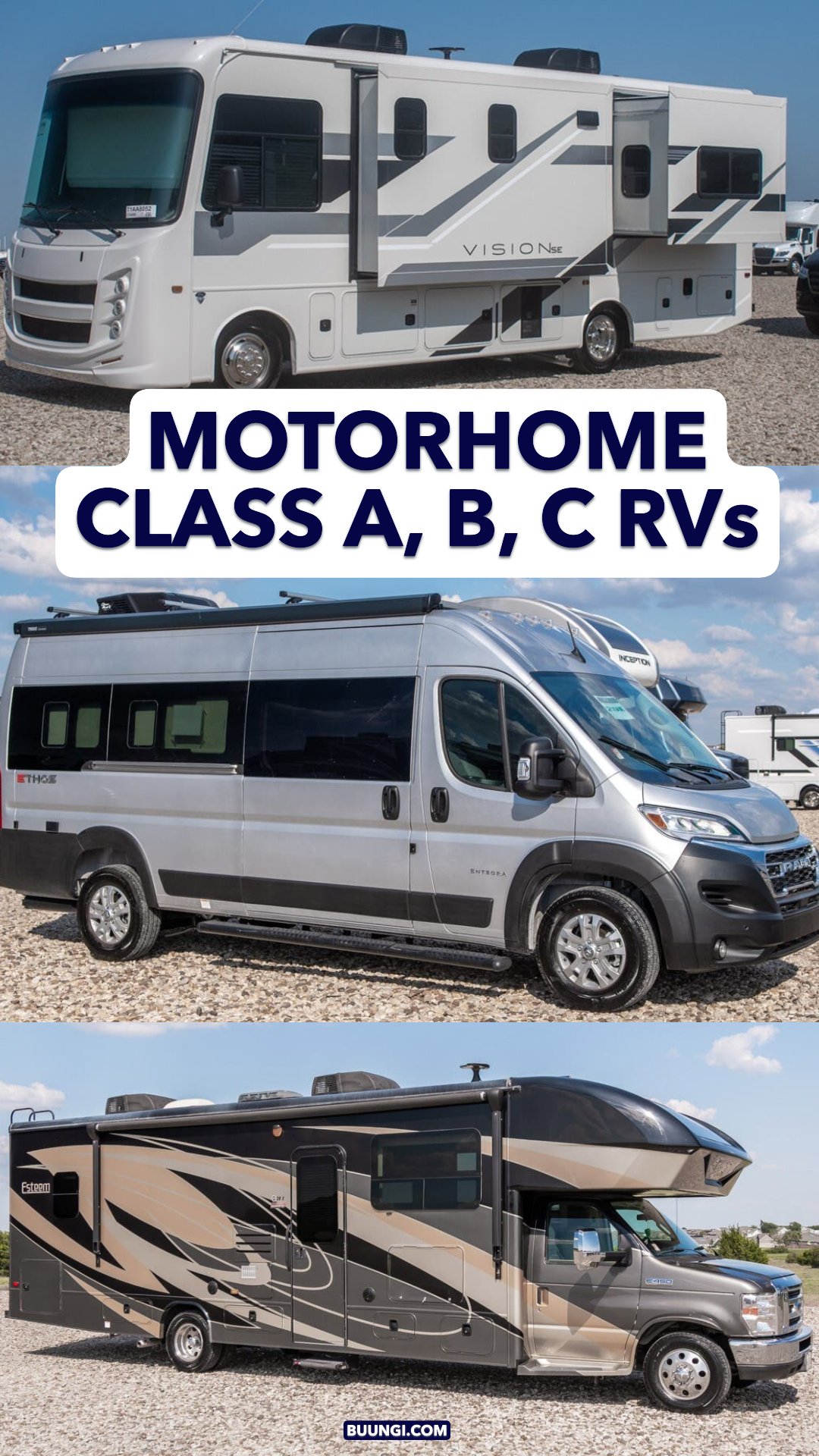
- Class A: The largest and most luxurious. Think of these as tour buses or rolling homes.
- Class B: The smallest, often called camper vans. Great for city driving and quick getaways.
- Class C: A happy medium, with a truck-like cab and a sleeping space over the driver.
Let’s take a closer look at each class, explore their pros and cons, and discover who they’re best for.
Class A Motorhomes: The Kings of the Road
What is a Class A Motorhome?
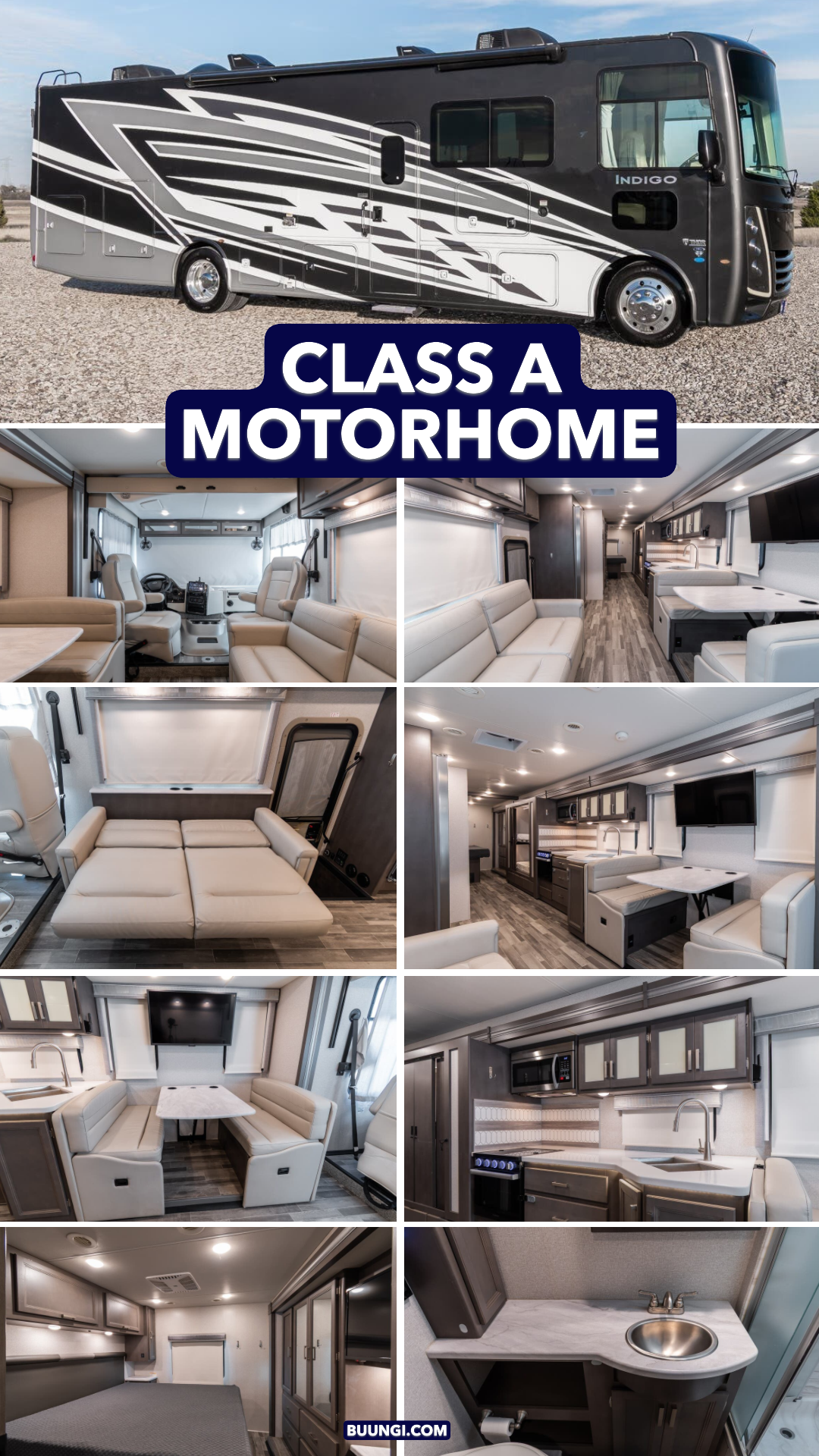
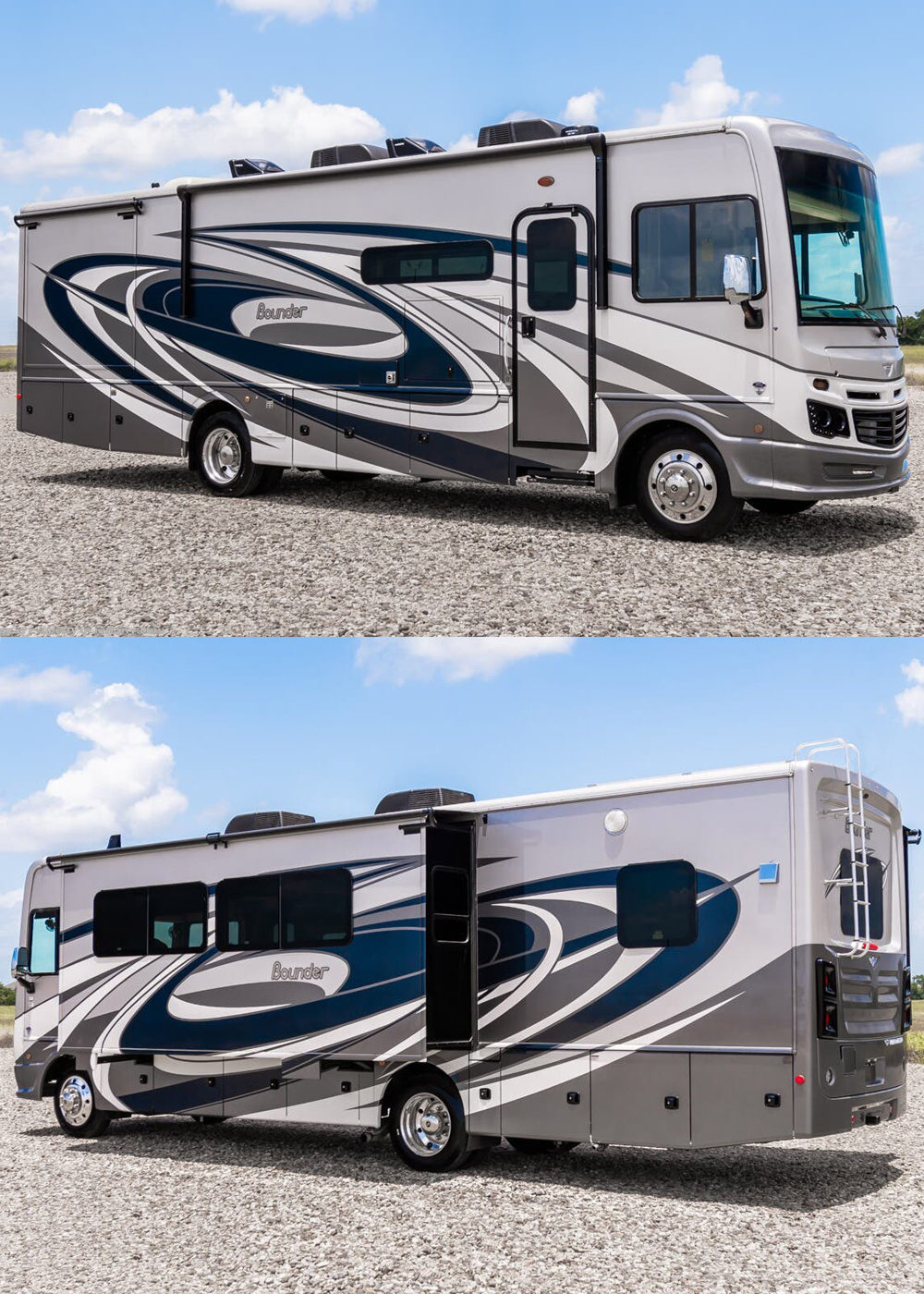
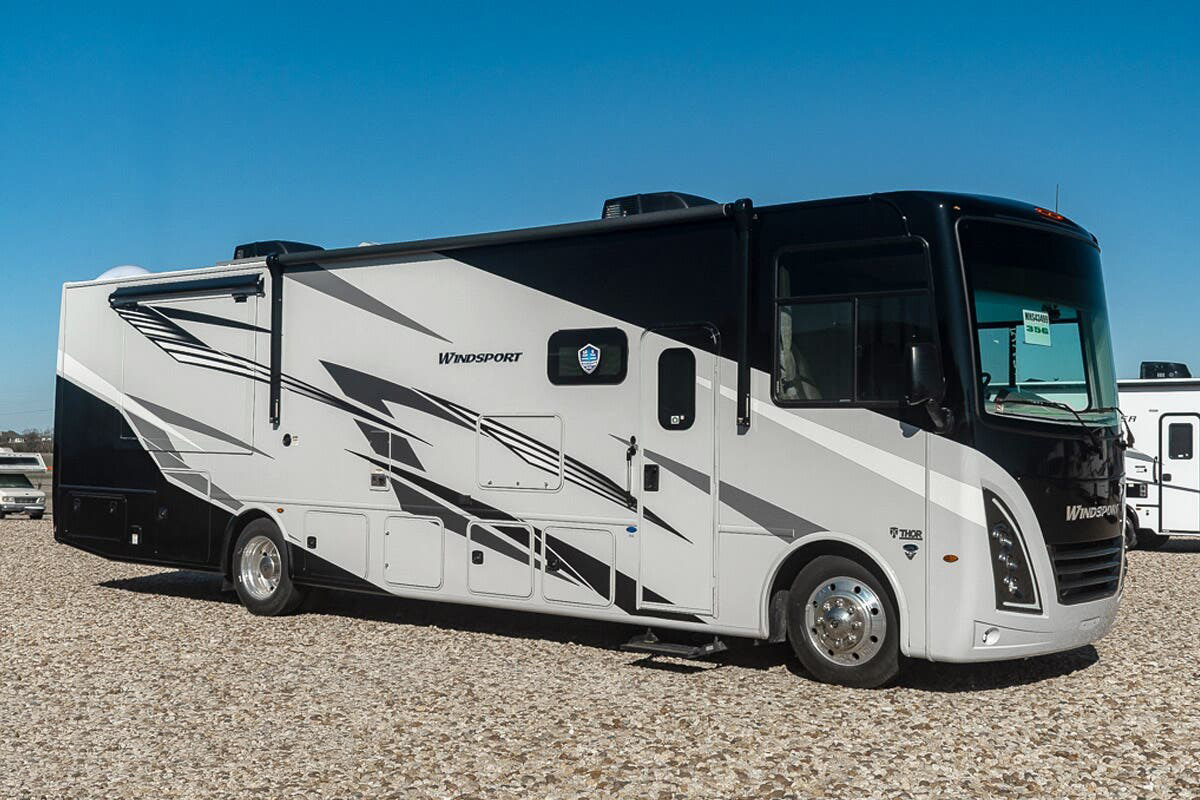
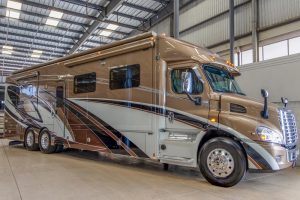
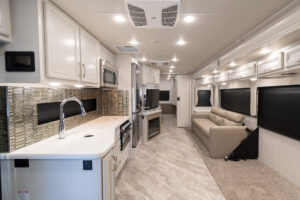
Class A motorhomes are easy to spot. They look a lot like buses, with a flat front, huge windows, and a big, boxy shape. Built on heavy-duty frames, they can stretch anywhere from 25 to 45 feet long. Inside, they’re designed to feel like a real home, complete with couches, kitchens, full bathrooms, and even washer-dryer combos in some models.
Why Choose a Class A RV?
Space, Comfort, and Luxury
If you want to travel without giving up any comforts, a Class A might be perfect. These motorhomes are packed with amenities. You’ll find large living rooms, full-size beds, big kitchens, and bathrooms with showers. Many models even have slide-outs—walls that expand at the touch of a button to create even more room when parked.
Great for Full-Time Living
Class A motorhomes are popular among people who plan to live on the road for months or even years. There’s plenty of storage for clothes, kitchen gadgets, and gear. With large tanks for water and waste, you can stay off the grid longer.
Ready for Entertaining
Love having friends or family along? Class A RVs often have space for six, eight, or even more people. Movie nights, holiday dinners, or rainy days are a breeze when you have plenty of room to spread out.
Downsides to Consider
- Size Can Be Intimidating: At 30 feet or more, these RVs can be tricky to drive, especially in tight spots or busy cities.
- Higher Costs: Class A motorhomes are the most expensive, both to buy and to maintain. Gas mileage is also lower, since you’re moving a lot of weight.
- Limited Access: Not every campsite or back road can fit a big rig. You may need to plan your stops more carefully.
Who Should Pick a Class A?
- Full-time travelers
- Large families or groups
- Anyone who wants luxury and doesn’t mind driving a big vehicle
Class B Motorhomes: The Go-Anywhere Camper Vans
What is a Class B Motorhome?
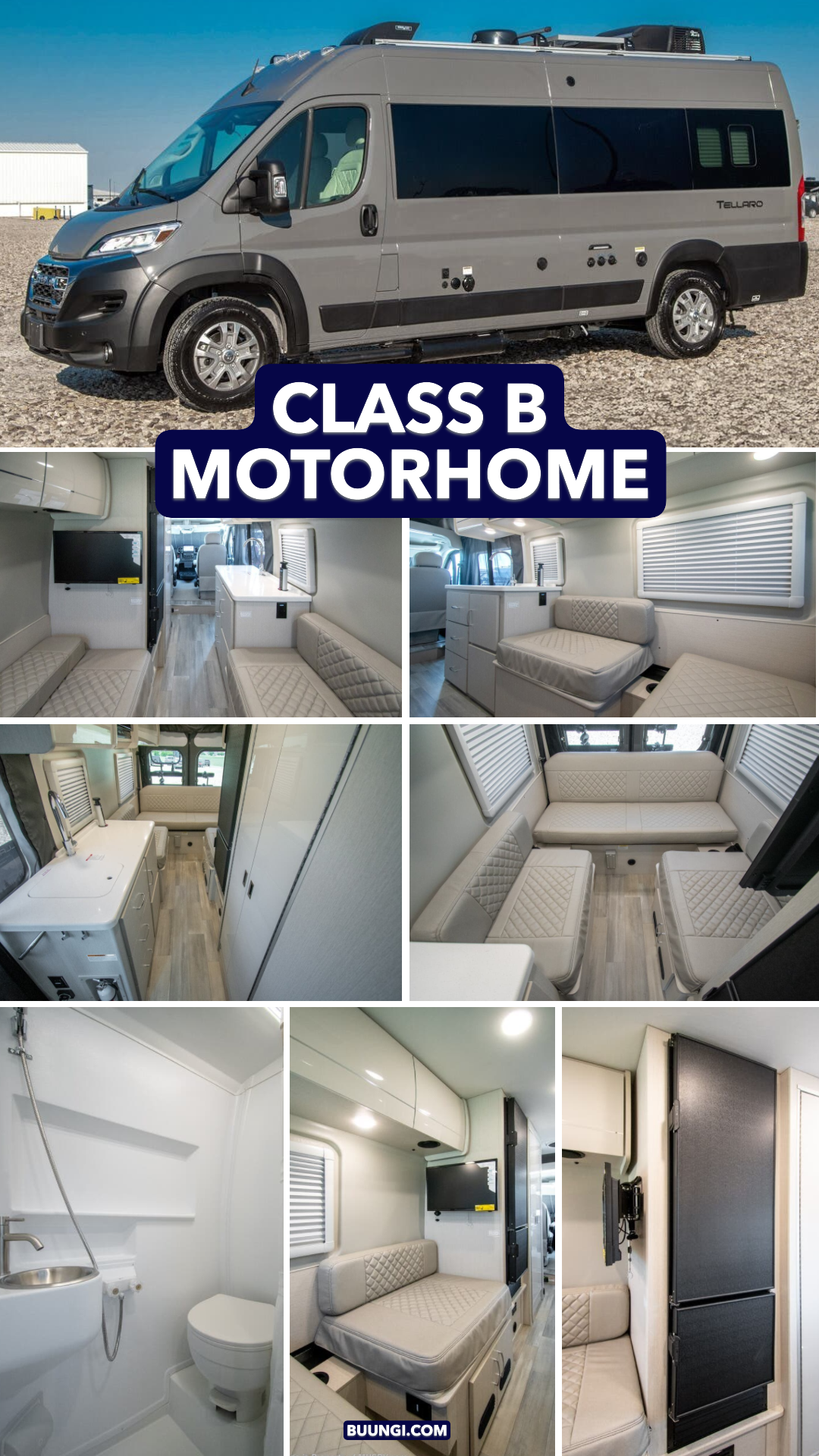
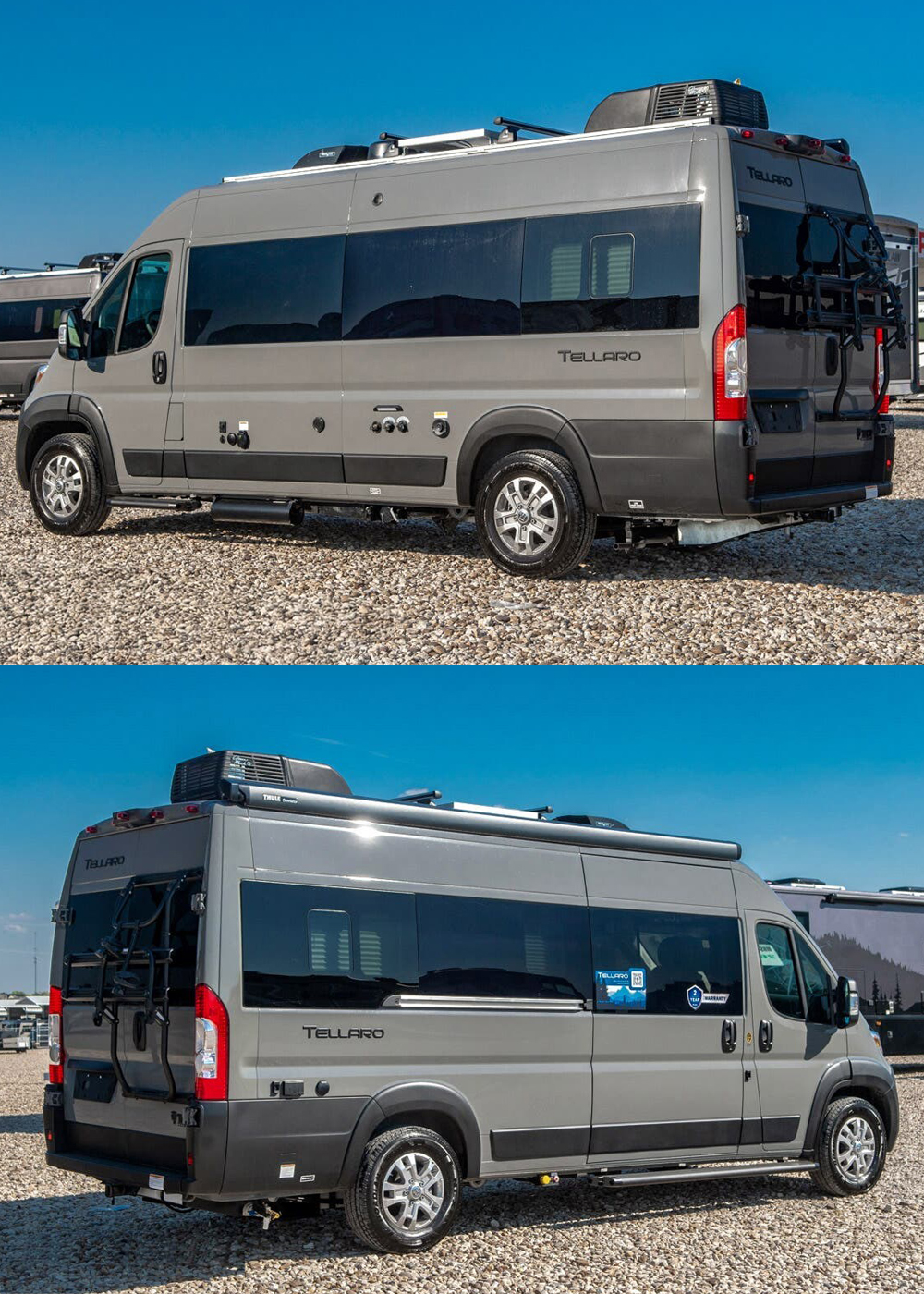
If you see a van with a roof that pops up or solar panels on top, you’re looking at a Class B. These are built on standard van chassis and are much smaller than Class A or C. They’re often called “camper vans,” and you’ll find them between 16 and 22 feet long.
Why Choose a Class B RV?
Easy to Drive and Park
Class B RVs drive a lot like regular vans. You can zip through city streets, park in regular spots, and fit into almost any campground. This makes them a top pick for couples, solo travelers, or anyone who doesn’t want to deal with a big rig.
Go Almost Anywhere
With a Class B, you’re not limited to big campgrounds. You can visit national parks, park on quiet backroads, or even camp stealthily in a city.
Fuel Efficiency and Maintenance
These are the most fuel-efficient motorhomes, so you’ll spend less on gas. Plus, regular van parts mean it’s easier (and often cheaper) to find service on the road.
Perfect for Adventure Seekers
Love hiking, biking, or kayaking? Class B vans make it easy to pack your gear, hit the trail, and enjoy the outdoors.
Downsides to Consider
- Less Living Space: Don’t expect roomy living rooms or big kitchens. You’ll need to be organized and cozy with your stuff.
- Limited Amenities: Some models have a tiny wet bath (shower and toilet in one spot), but others might have only a porta-potty. Kitchens are usually compact.
- Not Ideal for Large Families: Most Class B RVs sleep two or three people max.
Who Should Pick a Class B?
- Solo travelers or couples
- Outdoor adventurers
- City explorers and weekend warriors
Class C Motorhomes: The Best of Both Worlds
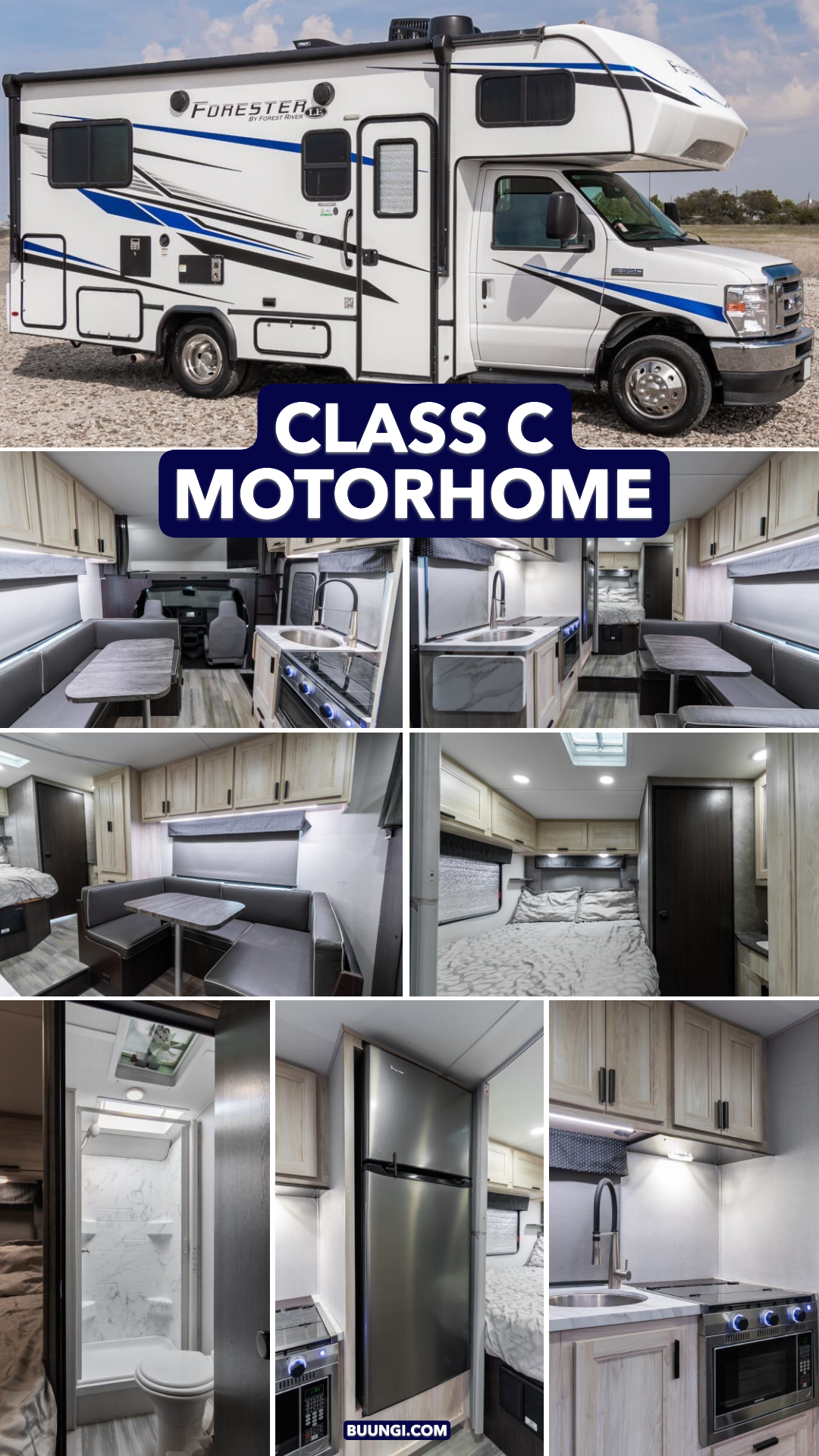
What is a Class C Motorhome?
Class C RVs are easy to spot by the “cab-over” bed that extends over the driver’s seat. They’re built on a truck or van chassis, so they look like a pickup with a big living area attached. They range from about 20 to 33 feet long.
Why Choose a Class C RV?
Family-Friendly
With a cab-over bunk, you get an extra bed without taking up floor space. This makes Class C motorhomes a great choice for families or groups. Many models have a rear bedroom, a living area with a dinette, and plenty of seat belts for safe travel.
Easier Driving
They’re not as small as a van, but they’re much easier to handle than a Class A. The familiar driving feel of a truck or van helps new RVers feel more at ease.
Good Value
Class C RVs usually cost less than Class A but offer more space than Class B. You get a good mix of comfort and affordability.
Lots of Choices
You’ll find tons of floor plans, from compact models for couples to bunkhouse layouts for families.
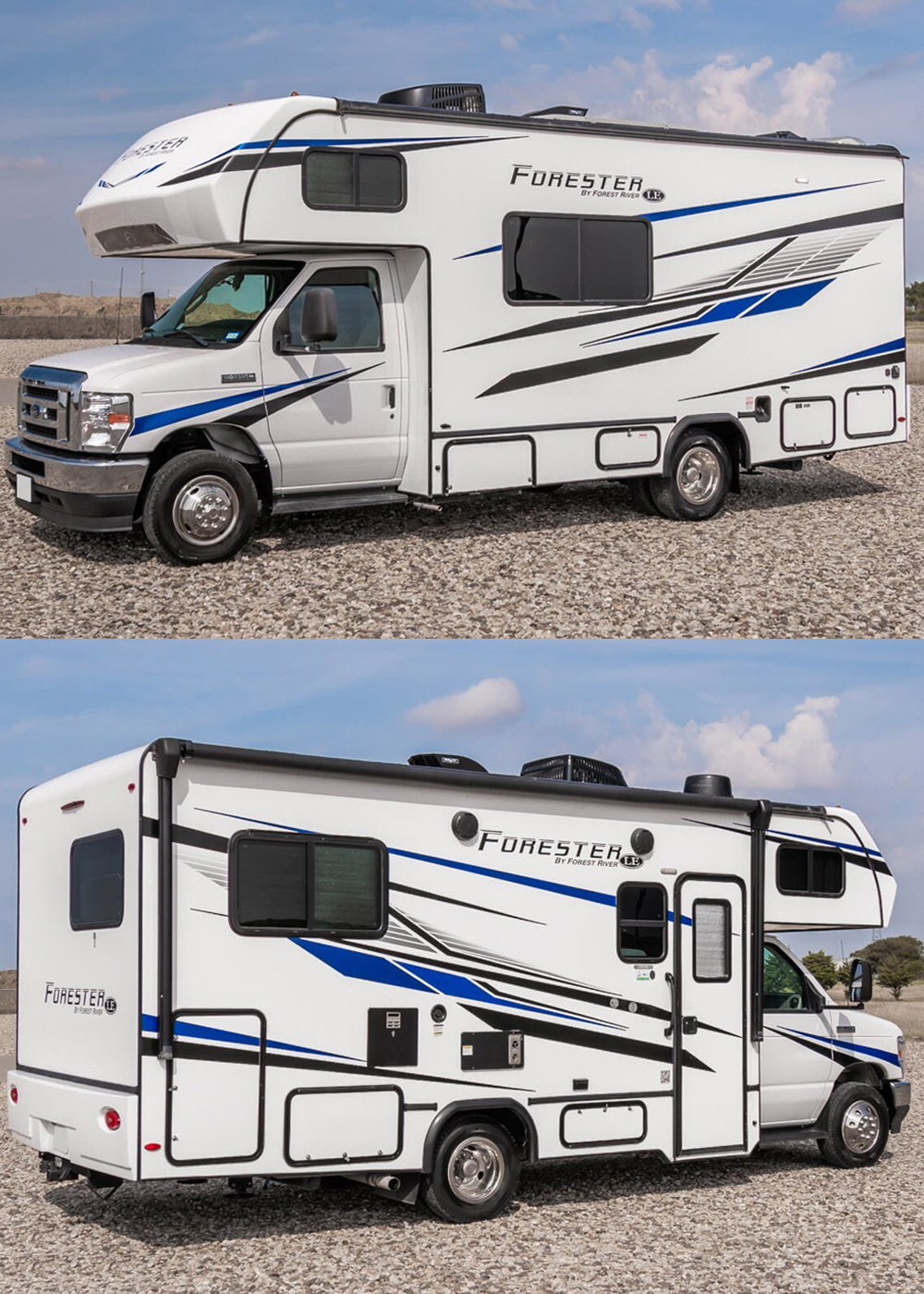
Downsides to Consider
- Midsize Means Middle Ground: Not as roomy as a Class A, not as nimble as a Class B. You get a bit of both, but not the extremes.
- Fuel Efficiency: Better than Class A, but not as good as Class B.
- Storage Can Be Tight: While you have more space than a van, you still need to pack smart.
Who Should Pick a Class C?
- Families with kids
- First-time RVers
- Travelers who want a balance of space, comfort, and price
How to Choose the Right Motorhome for You
With so many options, how do you pick the best one? Here are a few tips to help you decide:
1. Think About Your Travel Style
- Do you want to live on the road full-time, or are you planning weekend getaways?
- Will you spend more time in cities or out in nature?
- Do you like to entertain or keep things simple?
2. Consider the Number of Travelers
- Is it just you? You and a partner? Or a family with kids and pets?
- Make sure everyone has a comfortable spot to sleep and ride.
3. Be Honest About Driving
- Are you comfortable driving a big vehicle?
- If you feel nervous about tight turns or parking, a smaller RV may be best.
4. Set Your Budget
- Factor in not just the purchase price, but also insurance, gas, maintenance, and campground fees.
- Remember, used RVs can offer great value and let you try out the lifestyle for less.
5. Test Before You Buy
- If you can, rent a few different classes to see what feels right.
- A weekend trip in each type can teach you a lot about what you really want (and don’t want).
Fun Extras and Common Features
No matter which class you pick, modern motorhomes come packed with cool features. Here are some things you might find:
- Slide-Outs: Expand your living space when parked.
- Solar Panels: Great for off-grid camping and keeping batteries charged.
- Entertainment Systems: TVs, Bluetooth speakers, and gaming setups.
- Outdoor Kitchens or Showers: Perfect for grilling or rinsing off after a hike.
- Smart Storage Solutions: Hidden drawers, roof racks, and more.
RV Lingo: Quick Glossary for Beginners
- Boondocking: Camping without hookups (no water, sewer, or electric).
- Full Hookups: Campsite with water, sewer, and electric connections.
- Wet Bath: A bathroom where the shower, toilet, and sink share the same space.
- Slide-Out: A section of the RV that expands outward to create more room.
- Towable: An RV that needs to be pulled by another vehicle (not a motorhome, but good to know).
Final Thoughts
Choosing the right motorhome class is the first step toward a lifetime of adventure. Whether you pick a palace on wheels, a nimble camper van, or a versatile Class C, you’re in for new sights, new friends, and stories you’ll tell for years. Remember, there’s no one “perfect” RV—just the one that fits your dreams and your journey.
So, what’s next? Grab a notebook, make a list of your must-haves, and start exploring! Visit RV shows, chat with owners, and don’t be shy about asking questions. The open road is waiting, and your new home could be just around the bend. Safe travels and happy camping!
Related posts:
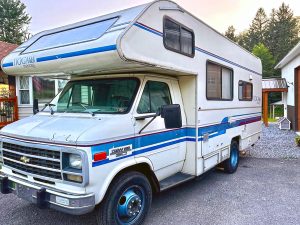 Inside a 1993 Tioga Class C RV Motorhome Remodel That Feels Like Home
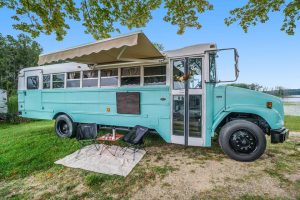 RV Motorhome Interior Design Ideas That Make Small Spaces Feel Spacious
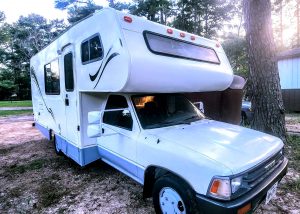 Stunning 1991 Toyota Winnebago RV Motorhome Interior: Inspiring Remodel Ideas
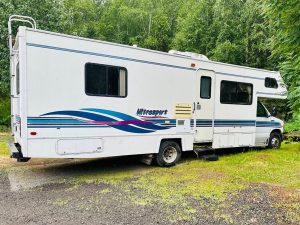 1998 Damon Ultrasport Class A RV Motorhome Interior: Inspiring Remodel Ideas
 Step Into This Amazing Luxury Motorhome Interior
 Step Inside This Stylish 1988 Georgie Boy Motorhome Interior Remodel
 11 Stunning Super C RVs: The Mighty Motorhomes Built for Adventure and Luxury
 41 Motorhome Interior Features That Make Life on the Road Feel Like Home
 21 Motorhome Interior Ideas for Class A Coaches and Compact Campervans
 Step Inside a Luxury Motorhome That Feels Like Home